From Scoops to Streams: How Ob & Gob Is Rewriting the FMCG Playbook on Quick Commerce
Ice Creams — a dairy product, served in scoops, tubs or frozen on sticks, instantly bringing a smile to the face of a consumer. That is exactly how a frozen dessert has been performing in the markets for decades. But in 2026, with the influx of quick commerce, impulse cravings, and visual packaging, consumer habits have never been further apart from the traditional consumer habits the former dairy giants catered to. With lives speeding up, attention spans shortening, and quick commerce fundamentally reshaping consumer behavior, the handbook for distribution of goods most definitely needed an update.
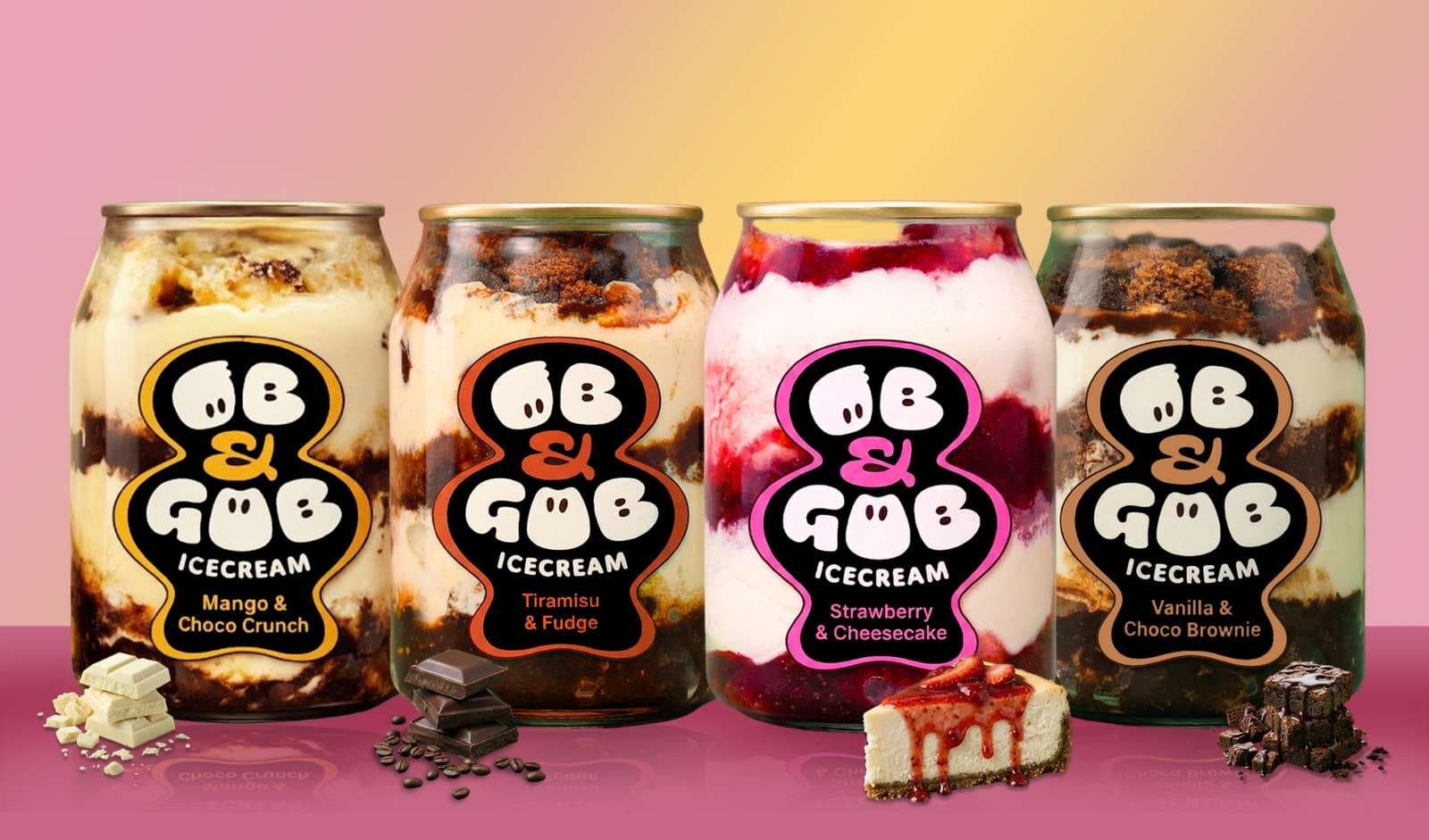
That is the gap where Ob & Gob steps in: a visually enthralling, premium sundae-in-a-can launched specifically to win on quick-commerce platforms like Zepto by ditching traditional FMCG distribution rules for a fresh entrepreneurial playbook. Building on decades of industry expertise, Dairy Day's leadership, spearheaded by founders M.N. Jaganath and A. Balaraju, recognized that capturing the modern, fast-moving consumer required incubating an entirely new, agile sub-brand designed around evolving retailing channels and primary consumer habits.
Here are 3 core startup lessons behind Ob & Gob's strategy:
1. Channel-First Product Design
Most brands start by building a product, and then scramble to market it. Ob & Gob took the exact opposite approach: they built a product specifically tailored for quick commerce.
The Takeaway: When launching a startup or new brand line, map out your core consuming population. Then trace out their habits. With the habits come into play the commercial platforms of choice. Designing for your primary distribution channel — from packaging to delivery resilience — gives you an immediate unfair advantage.
2. Differentiating on Experience, Not Just Category
Ice creams, as a product that has been ruling the markets for decades, do not fall under "low turnover items", but rather form a legacy category. Ob & Gob did not change the essential, chilling yet comfortable mouth-feel of an ice cream; they repositioned the product as a layered, textured "sundae in a can" — making the packaging visual, fun, sublimely premium and inherently shareable.
The Takeaway: In an already saturated and familiar market, competing on feature parity is a race to the bottom. Instead, compete on experience and positioning. Elevating a familiar product into a distinct ritual can pay back in heaps.
3. Intrapreneurship within Established Infrastructure
Ob & Gob shows the power of "intrapreneurship" — incubating an agile, fast-moving sub-brand backed by the manufacturing and supply chain engine of an established parent company (Dairy Day).
The Takeaway: Startups bring speed and brand voice; legacy players bring scale and supply chain strength. The sweetest spot in modern entrepreneurship often sits right at the intersection of both.
The Bottom Line
Whether you're building a standalone startup or launching a new product line within an existing enterprise, the game has changed. Winning requires speed, precise channel alignment, and an obsession with customer delight.
What traditional category do you think is ripe for a quick-commerce disruption next? Let's discuss in the comments below! 👇
Comments
Loading comments…